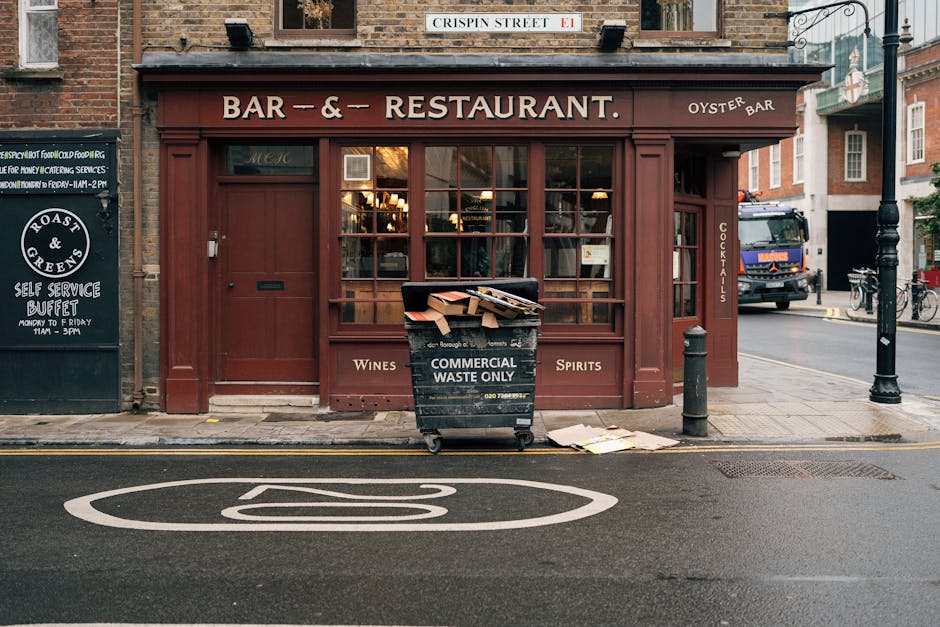
Westminster Council Guide: Waste Rules After a Move
Moving house in Westminster can feel oddly chaotic in the first 24 hours. Boxes everywhere, bubble wrap under your feet, a half-assembled lamp on the table, and then the question nobody wants to deal with: what happens to all the waste left after the move? This Westminster Council Guide: Waste Rules After a Move explains the practical do's and don'ts so you can clear out responsibly, avoid nuisance complaints, and get back to normal without turning the pavement into a dumping ground.
Whether you have a few bags of packing waste, an old sofa that no longer fits the flat, or a van-load of unwanted bits from the previous occupants, the rules can be simple if you know the right order of things. And to be fair, that order matters. Westminster is busy, tightly managed, and the margin for sloppy disposal is not exactly generous.
This guide walks you through the essentials in plain English: what the rules usually mean in practice, how to sort your waste after moving day, what to do with bulky items, common mistakes to avoid, and when it makes sense to use a professional moving or clearance service. If you are trying to keep the move tidy, compliant, and less stressful, you are in the right place.
- Why the waste rules matter after a move
- How waste handling works in Westminster
- Key benefits and practical advantages
- Who this guide is for
- Step-by-step guidance
- Expert tips for a smoother clear-out
- Common mistakes to avoid
- Tools, resources and recommendations
- Law, compliance, standards and best practice
- Options and comparison table
- Case study example
- Practical checklist
- Conclusion
- Frequently asked questions
Why Westminster Council Guide: Waste Rules After a Move Matters
After a move, waste tends to appear in layers. There are the obvious things like cardboard, tape, broken-down packaging, and that one stubborn drawer full of odds and ends. Then there are the hidden items: old curtains, a cracked lamp shade, a mattress protector you forgot existed, and maybe some furniture that seemed like a good idea in the old place but now looks impossible to keep.
In Westminster, getting rid of that waste properly matters for three big reasons. First, it keeps communal areas, streets, and bin stores usable for everyone. Second, it helps you avoid enforcement issues if items are left in the wrong place or at the wrong time. Third, it simply makes the move feel finished. There is something satisfying about closing the loop instead of living with a mountain of boxes for two more weeks.
One common mistake is assuming that "moving waste" is somehow different from ordinary household waste. Usually it is not. It still needs to be separated, bagged, stored, and presented correctly. In a busy borough like Westminster, where space is tight and collection arrangements can be very specific, that small detail can save a lot of bother.
Expert summary: Treat post-move waste like a separate mini-project. Sort it early, keep recyclables clean and dry, and deal with bulky items before they start living in your hallway rent-free.
How Westminster Council Guide: Waste Rules After a Move Works
At a practical level, the process usually comes down to three questions: what type of waste do you have, where are you allowed to put it, and how will it be collected or removed? Once you answer those, the rest becomes much easier.
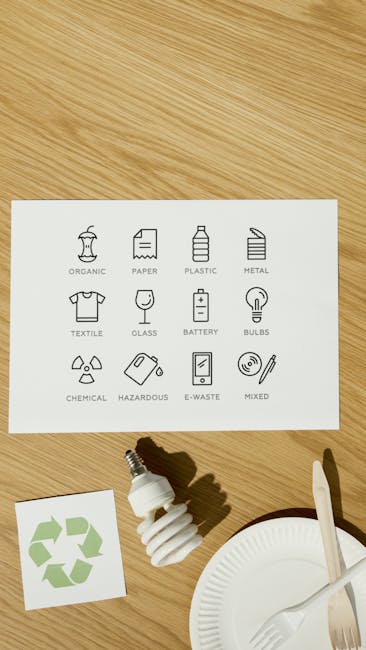
Most moving waste falls into a few familiar categories:
- General household waste: non-recyclable bits, broken household items, used tissues, dirty packaging, and similar rubbish.
- Recycling: cardboard, paper, certain plastics, glass, and metal where local recycling arrangements allow it.
- Bulky waste: furniture, mattresses, large appliances, and other items too awkward for normal bins.
- Special items: anything that needs careful handling, such as electricals, paint, or items with sharp edges.
In a typical Westminster flat move, you will often have a lot of cardboard and packing material in the first 48 hours. That is normal. The mistake is to treat every bin as a catch-all. Recycling should stay reasonably clean; bulky items should not be abandoned by the bins; and anything that cannot go in the ordinary waste stream needs a proper route out.
If you used a service like man and van support for a small flat move or arranged a bigger vehicle through moving truck hire, it is worth planning waste removal at the same time. A move is much smoother when the empty boxes, packaging, and discarded furniture all have a clear exit plan.
For larger household moves, especially if you are also handling storage, unpacking, or reorganisation, services such as home moves and packing and unpacking services can help reduce the volume of loose waste left behind. Less mess. Fewer decisions. Less chance of a "we'll deal with it later" pile that somehow survives till winter.
Key Benefits and Practical Advantages
Following the waste rules properly is not only about avoiding problems. It also has some very real practical benefits that make the whole move feel cleaner and less frantic.
- Cleaner shared spaces: Hallways, front steps, and bin stores stay usable and respectful for neighbours.
- Less stress: You are not staring at bag after bag of rubbish wondering what belongs where.
- Lower risk of complaints: Neighbours and building managers tend to react badly to waste left in the wrong place. Fair enough, really.
- Better recycling outcomes: Sorting properly increases the chance that recyclable material actually gets recycled.
- Safer rooms and walkways: Loose waste is a trip hazard, especially when the moving buzz has died down and the light is fading.
- Smoother handover: If you are leaving a property, a tidy clear-out helps with final inspections and avoids last-minute panic.
There is also a psychological benefit, which people underestimate. Once the waste is gone, the property starts to feel like home again. The echo in the hallway is less about boxes and more about space. That matters after a move, especially if you have been living in packing tape for a week.
For commercial or office relocations, the same logic applies. Clean disposal planning keeps the workspace tidy and avoids cluttering loading areas or shared building entrances. If that is your situation, commercial moves support or office relocation services may be the better fit, particularly where desks, chairs, and packaging need to be handled quickly and with minimal disruption.
Who This Is For and When It Makes Sense
This guide is useful for a few different people, and not just landlords or professional movers. In practice, it helps anyone who has just moved into or out of Westminster and now has a pile of waste to sort.
- Tenants who need to clear packing waste, broken household goods, or old furniture.
- Homeowners doing a full declutter after renovation or relocation.
- Landlords and letting agents managing end-of-tenancy clear-outs.
- Flat sharers whose communal bin areas get overwhelmed after a move.
- Small businesses relocating offices or retail stock in central London.
- People with bulky items that are too large for standard refuse collection.
It makes sense to pay close attention if your move involved multiple trips, storage, or lots of furniture handling. If a sofa, wardrobe, or heavy desk no longer has a home in the new place, it is usually better to deal with it early rather than leave it sitting there "just for a bit". You know how that story ends.
And if your move involved hiring a helper for lifting, transport, or awkward access in a narrow staircase building, a man with van arrangement can be a practical way to move items without overcommitting to a larger removal setup. It is especially useful when the job is medium-sized and time-sensitive.
Step-by-Step Guidance
Here is the simplest way to handle waste after a move without making it more complicated than it needs to be.
- Walk through the property and identify all waste. Look in cupboards, behind doors, on balconies, and in the corners where things get forgotten.
- Separate recyclables from general rubbish. Keep cardboard dry and flattened. Separate food-contaminated packaging from clean packaging.
- Set aside bulky items. Decide what stays, what goes, and what needs a special collection or removal method.
- Check bin storage or collection arrangements. In many London buildings, where you place waste matters almost as much as what the waste is.
- Bag and secure everything properly. Loose rubbish is how small problems become messy ones.
- Remove items in good time. Don't leave everything until the night before the next collection. It rarely ends well.
- Use the right removal method for large or awkward items. If it does not fit the normal waste flow, do not force it.
A realistic example: you move out of a two-bedroom flat near a busy street. You have six boxes of cardboard, two bags of packaging, an old bed frame, and a damaged coffee table. The cardboard can be flattened and stored neatly. The small waste can be bagged. The bulky items need a separate plan. That is the whole game, really: match the waste type to the right route.
If you are short on time, a service like furniture pick-up can help with items that no longer belong in the home. For larger loads, removal truck hire may be a better fit because it gives you space to clear several awkward items in one go rather than making three separate trips and losing your afternoon to the M25 equivalent of life admin.
Expert Tips for Better Results
A few small habits make the whole process much easier. They are not glamorous, but they work.
- Flatten cardboard immediately. It saves space and makes the pile look less dramatic than it is.
- Keep packing waste dry. Wet cardboard becomes useless fast. London weather does not need much encouragement.
- Label a "discard" corner during the move. A simple box or pile for things that are not coming with you keeps the mess contained.
- Take photos of bulky items before removal. Handy for planning, and sometimes helpful if you are comparing removal options.
- Book the clear-out before the final panic hits. The last hour of a move is when decisions get weird.
- Ask whether the building has rules for shared spaces. Some blocks are strict about where waste can wait, and for good reason.
One little tip from experience: keep one bag for "miscellaneous move rubbish" and one bag for "things I actually need to sort". It sounds trivial, but it stops the post-move fog from swallowing everything. That fog is real. Boxes, keys, chargers, where did the kettle go? Yes, exactly.
If you are moving a business, timing matters even more. A quiet early slot can reduce disruption, especially if you are using house removalists for a mixed residential and office-type move or need a controlled handover into a new building. Less traffic. Fewer awkward moments in the lobby. Everyone breathes easier.
Common Mistakes to Avoid
The same errors show up again and again after a move. Most are simple, but they can create a disproportionate headache.
- Leaving waste beside bins: If it is not accepted as part of the proper collection arrangement, it can be treated as dumping.
- Mixing recyclable and non-recyclable waste: It makes sorting harder and can contaminate otherwise clean recycling.
- Forgetting bulky items: Sofas, wardrobes, and broken appliances do not magically disappear by next Tuesday.
- Blocking communal access: Hallways and entrances need to stay clear, especially in apartment buildings.
- Assuming the previous occupier handled everything: Once you have moved in, your waste is your responsibility.
- Leaving electrical items in the wrong stream: WEEE-style items often need special handling, even if they look harmless.
There is also the classic mistake of underestimating volume. A move always creates more packaging waste than you expect. Always. The box that seemed tiny in the shop somehow becomes a mountain when it is full of cling film, tape, corner protectors, and broken-down packaging. It happens to everyone.
If you know you will have more waste than your bins can sensibly handle, build the clear-out into the move itself rather than treating it as an afterthought. That way, you are not trying to solve a disposal problem while also hunting for your toothpaste and charger.
Tools, Resources and Recommendations
You do not need fancy equipment to manage post-move waste well, but a few simple tools make the job easier.
- Heavy-duty bin bags: better for mixed waste and less likely to split on stairwells.
- Packing tape and marker pens: for labelling keep, donate, recycle, and discard.
- Box cutter or scissors: for breaking down cardboard safely.
- Gloves: useful for dusty storage items or sharp packaging edges.
- Blankets or straps: helpful when moving bulky items to a truck or collection point.
For people who want a smoother move overall, packing and unpacking services can reduce the volume of loose debris because items are handled more systematically from the start. Likewise, if you are not sure whether you need a van, a truck, or a full team, it is worth comparing the practical scale of the move before you commit.
| Waste or moving need | Best practical option | Why it works |
|---|---|---|
| Small flat clear-out with a few bags and boxes | Man and van | Flexible, simple, and suited to lighter loads |
| Medium household move with furniture to remove | Furniture pick-up plus van support | Handles bulky items without overcrowding the property |
| Large home or office relocation with mixed waste | Removal truck hire | More space for furniture, boxes, and staged clear-out |
| Business relocation with time-sensitive clear-up | Commercial moves or office relocation services | Better planning for access, timing, and post-move waste |
For more detail about the company behind these services, you can also look at about us. And if you need to discuss a specific moving or clearance situation, the simplest route is to contact us directly. Straightforward is usually best.
Law, Compliance, Standards, or Best Practice
Waste handling after a move sits in a sensible, everyday compliance zone rather than a dramatic legal one. That said, the expectations are clear: waste should be stored safely, presented properly, and disposed of through the correct local route. If you leave items in the wrong place, cause obstruction, or dump rubbish where it should not go, you may create a problem for yourself and for the property.
Best practice in Westminster is usually simple:
- Do not place waste where it blocks footpaths, entrances, or shared access.
- Keep waste secure so it does not blow, spill, or attract pests.
- Separate materials where practical to support recycling.
- Use appropriate collection or removal routes for bulky items.
- Follow the rules of your building, managing agent, or landlord where they are stricter than the basic household routine.
It is also wise to keep records when a clear-out is part of a move-out process. A quick photo of a tidy flat or cleared hallway can be useful if there is ever a question about what was left behind. Nothing dramatic, just sensible housekeeping.
For businesses, compliance expectations can be a little tighter because of access, safety, and shared premises. In those cases, a planned move with a suitable vehicle and team is often more reliable than trying to improvise on the day.
Options, Methods, or Comparison Table
Choosing how to deal with post-move waste is mostly about matching the method to the amount and type of waste. Here is a simple comparison.
| Option | Best for | Pros | Limitations |
|---|---|---|---|
| Normal bin and recycling use | Light waste, cardboard, small bags | Convenient, familiar, low effort | Not suitable for large or bulky items |
| Bulky waste / furniture removal | Sofas, wardrobes, mattresses, old tables | Clears awkward items properly | Needs planning and access |
| Van-based move support | Mixed boxes and smaller loads | Flexible and practical | Limited capacity compared with a truck |
| Truck-based removal | Whole-home moves or larger clear-outs | Efficient for volume | May be more than you need for a small job |
For many Westminster residents, the decision is not really about "what is the best option in theory?" It is about access, time, and how much stuff is left after the last box is carried in. If the pile looks like it has opinions, choose the method that lets you finish it properly.
Case Study or Real-World Example
Imagine a couple moving from a top-floor flat in Westminster into a smaller place nearby. They have lived there for six years, which means the move produces more waste than they expected. There are broken boxes, an old bed frame, a coffee table they no longer want, and a pile of packaging from a newly purchased sofa and wardrobes.
At first, they plan to "sort it later". Classic mistake. By the next morning, the hallway is cluttered and they are tired of stepping over bags. So they make a proper plan instead. Cardboard is flattened and kept dry. General waste is bagged. The bed frame and coffee table are separated for removal. The bulky items are booked out through a pick-up service, and the remaining moving debris is taken away in a single planned trip.
The result is simple: the flat looks clean, the hallway stays clear, and the move feels complete instead of half-finished. Nothing magical happened. They just handled waste in the right order. Truth be told, that is often the whole difference between a smooth move and a messy one.
That same approach works for offices too. If a business is relocating and clearing desks, filing units, and packaging, planning the waste stream first prevents bottlenecks later. The team can focus on setup rather than staring at a corner full of unwanted chairs and asking where on earth they came from.
Practical Checklist
Use this checklist as soon as the moving boxes start coming down.
- Separate cardboard, general waste, and bulky items.
- Flatten boxes and keep them dry.
- Bag loose rubbish securely.
- Move anything large or awkward away from walkways.
- Check your building's bin and access rules.
- Plan collection or removal for furniture and appliances.
- Keep recycling clean enough to be accepted.
- Remove waste promptly after unpacking.
- Take note of anything that may need special handling.
- Do a final sweep of cupboards, balconies, and storage spaces.
If you have done all of the above, you are already ahead of most post-move situations. Not perfect, maybe. But properly under control, which is what really matters.
Get a free quote today and see how much you can save.
Conclusion
Waste rules after a move in Westminster are not meant to be complicated, but they do reward a bit of planning. Separate what can be recycled, secure what needs to be bagged, and make a clear plan for bulky items before they become a nuisance. Once you do that, the whole post-move experience becomes calmer, tidier, and far easier to finish well.
If you are dealing with a small flat, a family house, or a commercial relocation, the same principle applies: sort early, remove properly, and do not leave the last pile for "sometime next week". Let's face it, next week has enough problems of its own.
A clean handover, a clear hallway, and one less thing hanging over you - that is a pretty good way to end a move.
Frequently Asked Questions
What are the main waste rules after moving in Westminster?
The main idea is to separate general waste, recycling, and bulky items, then dispose of each through the correct route. You should not leave waste blocking communal areas or place items beside bins if they are not meant to be there.
Can I leave cardboard outside my flat after moving?
Only if your building rules and collection arrangements allow it. In many cases, it is better to flatten cardboard, keep it dry, and store it neatly until it can be collected or removed properly.
What should I do with an old sofa after a move?
An old sofa usually needs a bulky waste or furniture removal solution rather than a standard bin. If it is too large for normal collection, arrange a proper pick-up so it is not left in a shared space.
Are packing materials considered recycling?
Often yes, but only if the materials are clean and suitable for recycling. Clean cardboard is usually straightforward. Dirty or food-contaminated packaging may need to go in general waste.
Do Westminster waste rules apply if I am only moving within the same borough?
Yes. Even if you are just moving from one Westminster address to another, the waste still needs to be sorted and disposed of correctly. A short move can still create a lot of rubbish.
What happens if I leave waste in the wrong place?
It can cause complaints, obstruct access, and create avoidable enforcement issues. The safest approach is to keep waste contained and remove it using the proper collection or clearance method.
Is it worth booking a moving service just to remove waste?
For bulky items or a large post-move clear-out, yes, it can be worth it. A dedicated removal option is often quicker and cleaner than trying to do several small trips yourself.
How soon should I deal with waste after moving?
As soon as practical. The longer waste sits around, the more likely it is to become cluttered, damaged, or forgotten. Early sorting usually saves time later.
What if my building has strict bin store rules?
Follow the building rules first, then the general waste plan. Many Westminster properties have tight access and shared storage arrangements, so it is wise to check before placing anything down.
Can office moves use the same waste approach as home moves?
The basic principles are similar, but office moves often involve more equipment, furniture, and time-sensitive access. A planned commercial approach is usually better when the volume is larger or the building is busier.
How do I reduce waste before a move?
Declutter before packing, donate or discard unwanted items early, and avoid moving things you already know you will not use. It sounds obvious, but it saves a surprising amount of effort.
Where should I go if I need help with a move and the waste afterwards?
Look for a service that can support the move itself and the post-move clear-out. If you want to understand the company, visit the about us page, or if you are ready to discuss your situation, use the contact us page.